Introduction
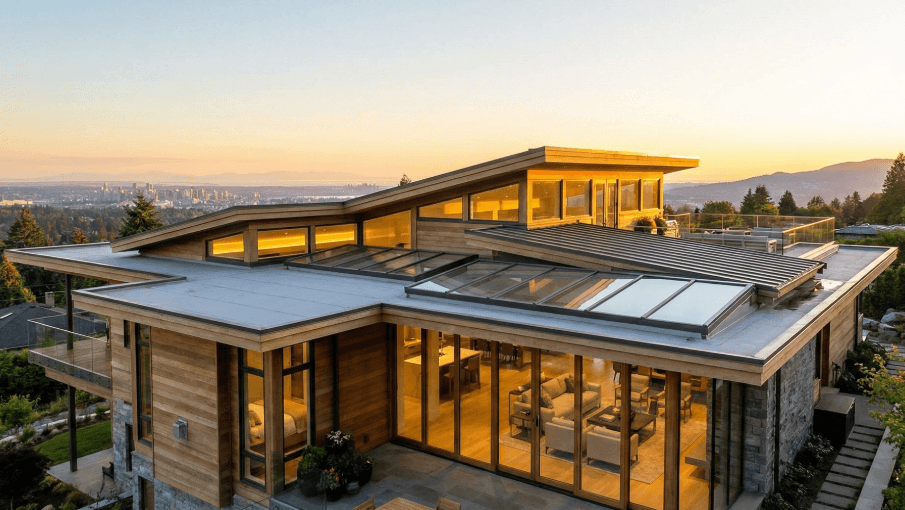
Pitched rooflights are an excellent solution for bringing natural daylight into residential, commercial, and industrial buildings with sloped roof structures. Designed specifically for pitched roofs, these rooflights combine functionality, energy efficiency, and aesthetic appeal to create brighter, healthier, and more inviting interior spaces. Whether used in loft conversions, home extensions, office buildings, schools, or commercial developments, pitched rooflights provide an effective way to transform dark areas and improve overall building performance.
As modern architecture increasingly focuses on natural light and energy efficiency, pitched rooflights have become a popular feature in both new-build projects and renovation works. By allowing sunlight to enter from above, they can significantly increase daylight levels, reduce dependence on artificial lighting, and create a stronger connection between indoor and outdoor environments. Available in a wide variety of sizes, styles, and glazing options, pitched rooflights can be customised to suit virtually any architectural requirement while delivering long-term performance and visual appeal.
Whether you’re planning a residential renovation or a large-scale commercial project, pitched rooflights offer a practical and stylish way to enhance the comfort, functionality, and value of your property.
What Are Pitched Rooflights?
Pitched rooflights are glazed units installed within sloping roof structures to allow natural daylight into the building below. Unlike flat roof rooflights, they are specifically engineered to integrate seamlessly with angled roofs while providing excellent weather resistance and thermal performance.
These rooflights can be fixed or opening, depending on the requirements of the building and its occupants.
Key Features of Pitched Rooflights
- Pitched rooflights are designed to fit securely within sloped roof systems, ensuring effective water drainage and long-term weather protection.
- Modern rooflights feature advanced glazing technologies that maximise daylight while maintaining excellent insulation and energy efficiency.
- Available in a range of configurations, pitched rooflights can provide natural light, ventilation, or a combination of both depending on the application.
- Their streamlined design enhances the architectural appearance of a property while delivering practical performance benefits.
Benefits of Installing Pitched Rooflights
Pitched rooflights offer numerous advantages that improve both the functionality and appearance of a building. Their ability to introduce natural light into previously dark spaces makes them a highly desirable feature.
The benefits extend beyond aesthetics, contributing to energy savings and occupant wellbeing.
Increased Natural Daylight
- Pitched rooflights allow significantly more daylight to enter a room compared to standard vertical windows, creating brighter and more welcoming interiors throughout the day.
- Natural light can help make smaller rooms feel larger, more open, and more comfortable for occupants and visitors.
- Enhanced daylight distribution reduces the need for artificial lighting during daylight hours, helping lower energy consumption.
- Bright, naturally lit spaces contribute to improved mood, productivity, and overall wellbeing in both residential and commercial settings.
Improved Ventilation
- Opening pitched rooflights provide effective natural ventilation by allowing warm air to escape through the roof, helping regulate indoor temperatures.
- Improved airflow can reduce humidity levels and minimise the risk of condensation, particularly in kitchens, bathrooms, and loft conversions.
- Natural ventilation contributes to healthier indoor environments by improving air quality and reducing reliance on mechanical systems.
- Ventilated rooflights offer an efficient way to maintain comfort throughout changing seasons.
Enhanced Energy Efficiency
- Modern pitched rooflights are manufactured with energy-efficient glazing designed to minimise heat loss while maximising daylight penetration.
- High-performance glass options help maintain comfortable indoor temperatures and reduce heating and cooling costs.
- Reduced dependence on artificial lighting contributes to lower energy bills and improved sustainability.
- Energy-efficient rooflights can support environmental objectives and increase the overall performance of a building.
Types of Pitched Rooflights
There are several types of pitched rooflights available to suit different architectural styles, building requirements, and personal preferences. Understanding the available options helps ensure the right solution is selected.
Each type offers unique advantages depending on the intended use.
Fixed Pitched Rooflights
- Fixed rooflights are designed solely to provide natural daylight and do not open for ventilation. Their simple design offers excellent durability and minimal maintenance.
- These rooflights are ideal for spaces where additional light is the primary objective and ventilation is not required.
- Fixed systems often provide outstanding thermal performance due to their permanently sealed construction.
- Their sleek appearance complements both contemporary and traditional architectural styles.
Opening Pitched Rooflights
- Opening rooflights combine daylighting with ventilation, offering enhanced functionality for residential and commercial spaces.
- Available with manual or electric operation, these rooflights provide flexibility and convenience depending on user requirements.
- Ventilation capabilities make them particularly suitable for loft conversions, kitchens, bathrooms, and upper-floor rooms.
- Opening rooflights contribute to improved comfort and indoor air quality throughout the year.
Conservation Rooflights
- Conservation rooflights are specifically designed for heritage properties and buildings located in conservation areas.
- Their traditional appearance allows them to blend seamlessly with historic architecture while providing modern performance benefits.
- Slim profiles and authentic styling help preserve the character of older buildings.
- Conservation rooflights often meet planning requirements for listed and protected properties.
Popular Applications for Pitched Rooflights
Pitched rooflights are suitable for a wide range of residential and commercial applications. Their versatility allows architects and property owners to incorporate them into various building designs.
Different spaces benefit from increased natural light and ventilation in unique ways.
Loft Conversions
- Loft conversions are one of the most common applications for pitched rooflights, helping transform unused roof space into bright and functional living areas.
- Rooflights provide essential daylight and ventilation while maintaining valuable floor space within the converted loft.
- Bedrooms, home offices, studios, and guest rooms benefit greatly from enhanced natural lighting.
- Properly positioned rooflights can create stunning views and improve the overall appeal of the converted space.
Residential Homes
- Pitched rooflights are frequently installed in kitchens, living rooms, stairwells, hallways, and extensions to improve natural light levels.
- They can dramatically enhance the atmosphere of a home by introducing daylight into areas that may otherwise feel dark or enclosed.
- Modern rooflights create attractive design features while improving everyday comfort and usability.
- Increased natural light can contribute to higher property values and improved market appeal.
Commercial Buildings
- Offices use pitched rooflights to create brighter work environments that support employee wellbeing and productivity.
- Educational facilities benefit from natural daylight, which can contribute to more engaging and comfortable learning spaces.
- Retail environments often use rooflights to improve product visibility and create more inviting customer experiences.
- Commercial properties can reduce lighting costs while enhancing overall building aesthetics and performance.
See also: Affordable Home Builders: Making Homeownership a Reality
Glazing Options for Pitched Rooflights
The glazing specification is one of the most important factors influencing the performance of a pitched rooflight. Modern glazing technologies provide a range of benefits beyond simple daylight transmission.
Choosing the right glazing helps optimise comfort, efficiency, and durability.
Double Glazing
- Double-glazed rooflights offer excellent insulation and are suitable for most residential and commercial applications.
- The sealed air gap between glass panes helps reduce heat loss and improve energy efficiency.
- Double glazing contributes to lower energy costs while maintaining comfortable indoor temperatures.
- This option provides a strong balance between performance and affordability.
Triple Glazing
- Triple-glazed rooflights provide superior thermal insulation and enhanced acoustic performance compared to double-glazed alternatives.
- They are particularly beneficial in colder climates or buildings with demanding energy-efficiency requirements.
- Improved insulation can further reduce heating costs and increase occupant comfort.
- Triple glazing is often selected for premium residential and commercial projects.
Solar Control Glass
- Solar control glazing helps limit excessive heat gain while still allowing natural daylight to enter the building.
- This technology is particularly valuable for south-facing rooflights exposed to strong sunlight.
- Reduced solar heat gain improves comfort and lowers cooling demands during warmer months.
- Solar control glass supports year-round energy efficiency and indoor climate management.
Maintenance and Longevity
Pitched rooflights are designed for long-term durability and generally require minimal maintenance when installed correctly. Regular care helps maintain appearance and performance over many years.
Routine inspections ensure any potential issues are identified early.
Maintenance Considerations
- Periodic cleaning helps remove dirt, leaves, and debris that may accumulate on the glazing surface and reduce light transmission.
- Inspecting seals and flashing systems ensures continued weather resistance and prevents water ingress.
- Opening rooflights should have hinges and operating mechanisms checked regularly to maintain smooth functionality.
- High-quality rooflights manufactured from durable materials can provide decades of reliable performance with proper care.
Choosing the Right Pitched Rooflight Supplier
Selecting a trusted supplier is essential for achieving the best results from your rooflight installation. Product quality, technical expertise, and customer support all contribute to long-term satisfaction.
Working with experienced professionals helps ensure a successful project outcome.
What to Look For
- Choose a supplier with extensive experience in manufacturing and supplying pitched rooflights for both residential and commercial applications.
- Review product certifications, performance ratings, warranties, and previous project examples to evaluate quality and reliability.
- Look for companies that offer technical support, custom sizing options, and professional installation guidance.
- Positive customer reviews and a strong industry reputation can provide confidence in your purchasing decision.
Conclusion
Pitched rooflights are a practical and visually appealing solution for introducing natural daylight and ventilation into buildings with sloped roofs. Their ability to transform interior spaces, improve energy efficiency, and enhance architectural design makes them a valuable addition to both residential and commercial properties.
From loft conversions and home renovations to offices, schools, and retail developments, pitched rooflights provide lasting benefits that improve comfort, wellbeing, and property value. Available in a wide range of styles, glazing options, and configurations, they can be tailored to meet the specific needs of virtually any project.
By investing in high-quality pitched rooflights and working with experienced suppliers, property owners can create brighter, healthier, and more attractive spaces while enjoying long-term performance and energy-saving advantages.