Introduction
Bathroom renovations for elderly homeowners are becoming increasingly important as more people choose to age in place and remain independent in their own homes. The bathroom is one of the most frequently used areas in any house, but it can also be one of the most hazardous spaces for seniors due to slippery surfaces, limited mobility, and accessibility challenges. A well-planned bathroom renovation can significantly improve safety, comfort, and ease of use while helping reduce the risk of falls and injuries.
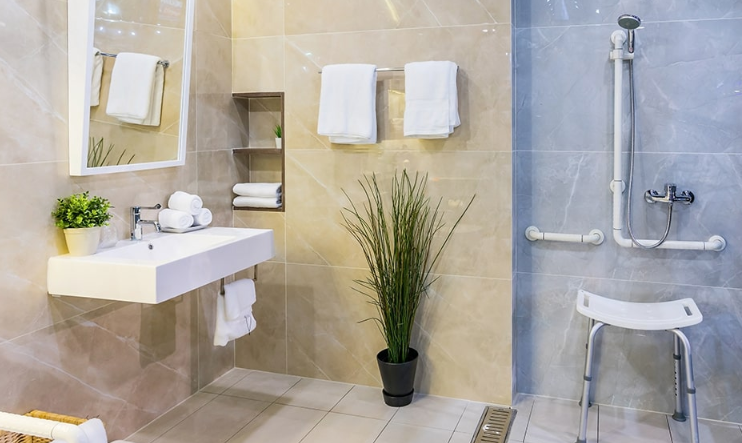
Modern elderly-friendly bathroom renovations focus on creating a practical environment that accommodates changing mobility needs without compromising style or functionality. Features such as walk-in showers, grab rails, non-slip flooring, comfort-height toilets, and accessible vanities can make everyday tasks easier and safer. Whether the goal is to support independent living, assist a family member with mobility challenges, or future-proof a home for aging, a professionally designed bathroom renovation can provide long-term benefits.
By investing in thoughtful modifications and quality workmanship, homeowners can create a bathroom that promotes confidence, convenience, and peace of mind for years to come.
Why Bathroom Renovations Are Important for Seniors
As people age, mobility, balance, strength, and flexibility often change. Standard bathroom designs may no longer provide the level of accessibility and safety needed for everyday use. Renovating the bathroom allows homeowners to address these challenges while creating a space that supports independent living.
A properly designed bathroom can reduce accidents and make daily routines significantly more comfortable for elderly individuals.
See also: Smarter Relocation Habits That Are Transforming Modern Living
Key Reasons to Renovate
- Bathrooms are one of the most common locations for slips and falls in the home. Installing safety-focused features helps minimise hazards and creates a more secure environment for seniors.
- Renovations can improve accessibility by making it easier to enter showers, use sinks, and access storage areas. These improvements help maintain independence and reduce the need for assistance.
- Modern elderly-friendly bathroom designs focus on both safety and comfort, ensuring the space remains practical while maintaining an attractive appearance.
- Future-proofing the bathroom through accessibility upgrades allows homeowners to remain in their homes longer without requiring major modifications later.
Walk-In Showers for Improved Accessibility
Traditional bathtubs can become difficult and dangerous for elderly individuals to use due to the high step required for entry and exit. Walk-in showers are one of the most popular upgrades in bathroom renovations for elderly because they provide easier access and improved safety.
A walk-in shower creates a more open and user-friendly environment while reducing fall risks.
Benefits of Walk-In Showers
- Step-free shower entry eliminates the need to climb over bathtub edges, making it easier and safer for seniors with limited mobility or balance concerns.
- Walk-in showers provide greater accessibility for mobility aids such as walkers and wheelchairs. The open design allows for easier movement and improved comfort.
- Frameless glass screens and spacious layouts create a more modern appearance while enhancing functionality. The bathroom feels larger and more accessible.
- Walk-in showers can be customised with seating, handheld showerheads, and grab rails to further improve safety and convenience during daily use.
Installing Grab Rails and Support Features
Grab rails are among the most effective safety features that can be added during a bathroom renovation. Properly positioned support rails provide stability and help reduce the risk of slips and falls.
Modern grab rails are available in various styles and finishes that complement contemporary bathroom designs.
Advantages of Grab Rails
- Grab rails provide additional support when entering and exiting the shower, using the toilet, or moving around the bathroom. This added stability improves confidence and safety.
- Strategically placed rails can help reduce the likelihood of falls, particularly in wet areas where surfaces may become slippery.
- Modern grab rail designs blend seamlessly into the bathroom’s overall aesthetic while still providing essential functionality.
- Professional installation ensures grab rails are securely anchored and capable of supporting the user’s weight when needed.
Non-Slip Flooring Solutions
Flooring plays a major role in bathroom safety, particularly for elderly individuals who may be more vulnerable to slips and falls. Choosing the right flooring material is essential for creating a safe and comfortable environment.
Non-slip flooring options are specifically designed to provide better traction, even when wet.
Benefits of Non-Slip Flooring
- Slip-resistant surfaces help reduce the risk of accidents by providing better grip underfoot. This is particularly important in shower areas and around sinks.
- Modern non-slip tiles are available in a wide range of styles, colours, and textures, allowing homeowners to maintain a stylish bathroom design.
- Durable flooring materials are easy to clean and maintain while offering long-term performance in moisture-prone environments.
- Proper flooring selection contributes to overall bathroom safety without compromising visual appeal or comfort.
Comfort-Height Toilets
Standard toilets can be difficult for elderly individuals to use, particularly those with joint pain, arthritis, or limited mobility. Comfort-height toilets are designed to make sitting down and standing up easier and more comfortable.
This simple upgrade can have a significant impact on everyday usability.
Why Comfort-Height Toilets Are Beneficial
- The elevated seat height reduces strain on the knees, hips, and lower back, making bathroom visits more comfortable for seniors.
- Easier transfers help promote independence and reduce the need for assistance from caregivers or family members.
- Comfort-height toilets can be paired with support rails for additional stability and confidence during use.
- Modern designs offer both functionality and aesthetics, ensuring the bathroom remains attractive while meeting accessibility needs.
Accessible Bathroom Vanities
Traditional bathroom vanities may not always be suitable for elderly users, particularly those who use wheelchairs or mobility aids. Accessible vanities are designed to improve ease of use while maintaining storage and style.
Thoughtful vanity design can make daily grooming and hygiene routines more convenient.
Features of Accessible Vanities
- Open space beneath the vanity allows wheelchair users to access the sink comfortably while maintaining proper posture.
- Easy-to-reach storage compartments improve convenience and minimise the need for excessive bending or stretching.
- Lever-style tapware is easier to operate than traditional knobs, making it ideal for individuals with reduced hand strength or arthritis.
- Well-designed vanities combine accessibility with modern aesthetics, creating a bathroom that is both functional and visually appealing.
Improved Lighting for Safety
Good lighting is essential in any bathroom, but it becomes even more important as people age. Poor visibility can increase the risk of trips, slips, and other accidents.
Upgrading bathroom lighting during a renovation helps create a safer and more comfortable environment.
Benefits of Enhanced Lighting
- Bright, evenly distributed lighting improves visibility throughout the bathroom, making it easier to navigate safely.
- LED lighting provides excellent illumination while reducing energy consumption and maintenance requirements.
- Motion-sensor lighting can improve convenience by automatically activating when someone enters the bathroom, particularly during nighttime visits.
- Well-lit mirrors and vanity areas make grooming activities easier while enhancing the overall functionality of the space.
Storage Solutions for Elderly Bathrooms
Accessible storage is an important consideration in bathroom renovations for seniors. Frequently used items should be easy to reach without requiring excessive bending, stretching, or climbing.
Well-planned storage solutions improve organisation and daily convenience.
Smart Storage Features
- Pull-out drawers provide easier access to bathroom essentials compared to deep cabinets where items can become difficult to reach.
- Open shelving allows frequently used products to remain visible and accessible while reducing the need to search through storage compartments.
- Custom cabinetry can be designed to suit individual needs and mobility requirements, creating a more practical bathroom environment.
- Thoughtful storage placement helps reduce physical strain and improves overall usability for elderly users.
Future-Proofing Your Bathroom
Even if mobility challenges are not currently a concern, many homeowners choose to incorporate accessibility features during renovations to prepare for future needs. Future-proofing helps avoid costly modifications later while ensuring the bathroom remains functional for years to come.
Planning ahead provides flexibility and long-term peace of mind.
Benefits of Future-Proofing
- Incorporating accessibility features during a renovation is often more cost-effective than making emergency modifications later.
- A future-ready bathroom can adapt to changing mobility needs without requiring major structural alterations.
- Accessible designs support aging in place, allowing homeowners to remain independent and comfortable in their own homes.
- Future-proof renovations can also increase property appeal among buyers seeking accessible and adaptable living spaces.
Choosing a Professional Bathroom Renovation Company
The success of a bathroom renovation for elderly users depends heavily on careful planning and quality workmanship. Working with experienced renovation specialists ensures the space is designed to meet both current and future accessibility requirements.
Professional contractors can recommend solutions that improve safety without sacrificing style.
What to Look For
- Choose a renovation company with experience in accessibility-focused bathroom projects. Specialised knowledge helps ensure the design meets practical needs.
- Review previous projects and client testimonials to assess workmanship quality and customer satisfaction.
- Ensure the contractor understands local building regulations and accessibility guidelines relevant to bathroom renovations.
- Select a company that provides detailed planning, transparent communication, and customised solutions tailored to individual requirements.
Conclusion
Bathroom renovations for elderly homeowners are an investment in safety, independence, and quality of life. By incorporating features such as walk-in showers, grab rails, non-slip flooring, comfort-height toilets, accessible vanities, and improved lighting, homeowners can create a bathroom that supports changing mobility needs while remaining stylish and functional.
A thoughtfully designed bathroom renovation not only reduces the risk of accidents but also promotes confidence and comfort during everyday use. Whether you’re planning for yourself, a family member, or future accessibility needs, professional bathroom renovations can help create a safer and more enjoyable living environment.
With careful planning and the guidance of experienced renovation specialists, it is possible to transform an ordinary bathroom into a space that provides long-term comfort, convenience, and peace of mind for elderly users.